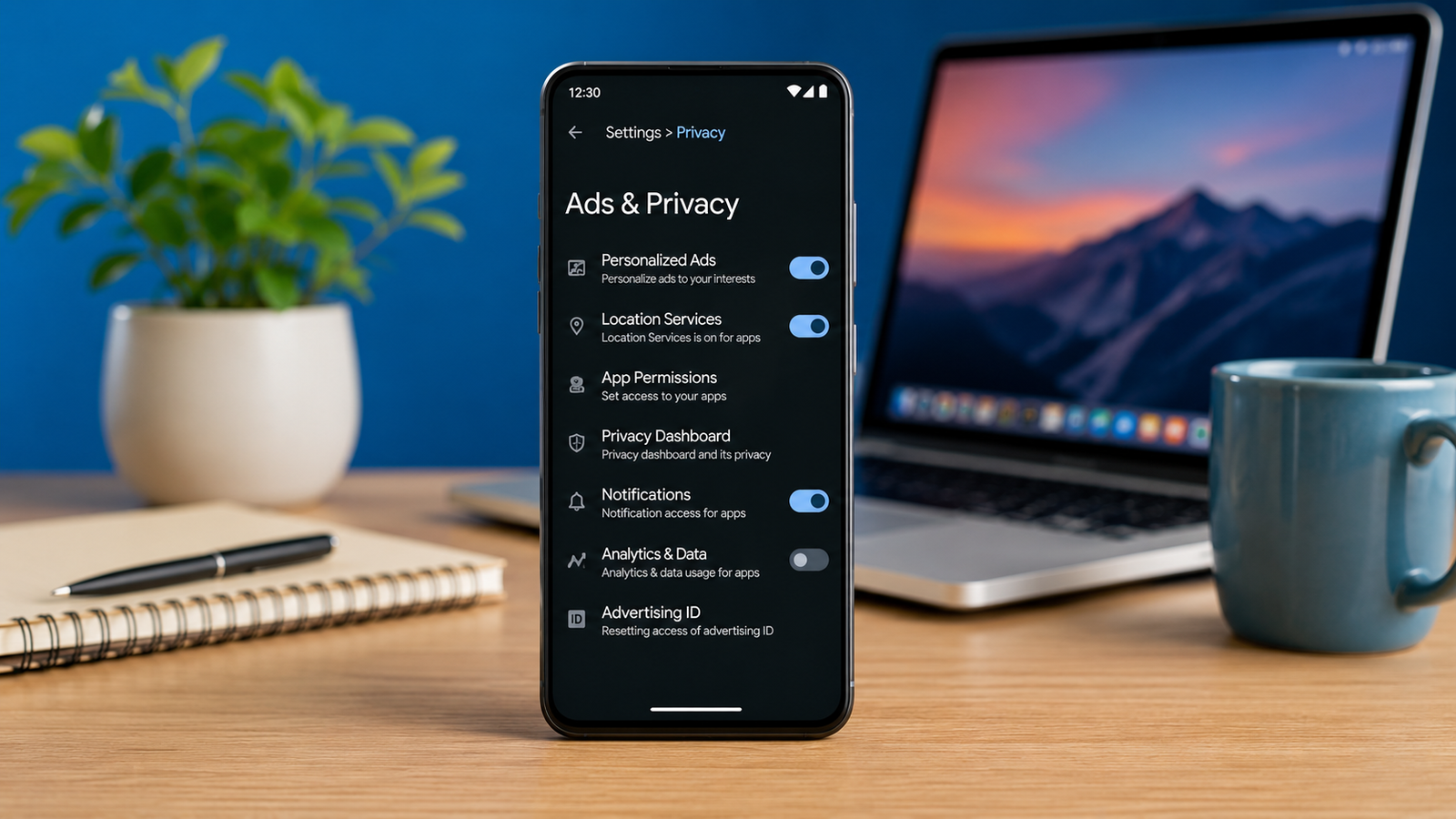
Advertisements are common on Android devices, especially in free apps and websites. However, if you’re seeing frequent pop-up ads, unwanted notifications, or promotional messages, they can quickly become frustrating. Fortunately, you don’t need to install questionable apps to reduce these interruptions. Android includes several built-in settings that can help you control where ads come from and improve your overall experience.
This guide explains safe and practical ways to minimize unwanted ads on your Android phone.
Also read: How to Enable Live Captions in Google Meet for Better Communication?
Why Do Ads Appear on Android Phones?
Not all ads come from the same source. Understanding why they’re appearing is the first step toward solving the problem.
Common reasons include:
- Free apps that display advertisements to support development
- Websites that have permission to send browser notifications
- Recently installed apps containing promotional content
- Built-in recommendations from some smartphone manufacturers
- Unwanted software or ad-supported applications
Once you identify the source, it’s much easier to stop unnecessary advertisements.
Remove Unwanted Browser Notifications
Many users mistake browser notifications for malware because they appear even when the browser isn’t open.
If you use Google Chrome, you can disable unwanted notifications with these steps:
- Open Google Chrome.
- Tap the three-dot menu.
- Select Settings.
- Open Notifications.
- Remove notification permissions for websites you no longer trust.
After disabling these permissions, unwanted notification ads from those websites should stop.
Delete Suspicious or Recently Installed Apps
If advertisements started appearing shortly after installing a new app, that app may be responsible.
To review recently installed applications:
- Open Settings.
- Tap Apps or Apps & Notifications.
- View your installed apps.
- Remove any application you don’t recognize or no longer need.
Downloading apps only from the Google Play Store can reduce the risk of installing unwanted software.
Limit Personalized Advertising
Android allows users to control how advertising is personalized.
To review your advertising preferences:
- Open Settings.
- Tap Google.
- Open Ads or Privacy, depending on your Android version.
- Turn off Ad Personalization if available.
This won’t remove advertisements completely, but it can reduce ads based on your activity and interests.
Disable Promotional Recommendations
Some smartphone brands include promotional content within their built-in applications.
You may find these recommendations in apps such as:
- File Manager
- Browser
- Themes
- Security
- App Store
Look for settings like:
- Recommendations
- Promotional Content
- Receive Suggestions
- Personalized Services
Turning these options off can reduce built-in promotional messages.
Scan Your Phone for Harmful Apps
If advertisements appear even when you’re not actively using any apps, it’s a good idea to perform a security scan.
Google Play Protect can help identify potentially harmful applications.
To run a scan:
- Open the Google Play Store.
- Tap your profile icon.
- Select Play Protect.
- Tap Scan.
If Play Protect detects any potentially harmful apps, follow the recommended steps to remove them.
Control App Notifications
Some apps send promotional notifications that can become distracting over time.
To manage notifications:
- Open Settings.
- Tap Notifications.
- Select the app.
- Disable notifications if you don’t need them.
This allows you to continue using the app while preventing unnecessary alerts.
Keep Your Device Updated
Regular software updates often include security improvements and bug fixes that help protect your phone from unwanted behavior.
To check for updates:
- Open Settings.
- Go to Software Update or System Update.
- Tap Check for Updates.
- Install any available updates.
Keeping Android up to date helps improve both security and overall performance.
Tips to Avoid Unwanted Ads in the Future
Following a few simple habits can help prevent advertising issues before they begin.
- Install apps only from trusted sources like the Google Play Store.
- Read app reviews before downloading.
- Avoid granting notification permissions to unfamiliar websites.
- Be cautious of pop-ups claiming your phone is infected.
- Review app permissions regularly.
- Remove apps you no longer use.
These practices can significantly reduce unwanted advertisements and improve your device’s security.
Frequently Asked Questions
Can all ads be removed from Android?
No. Many free apps display advertisements as part of their business model. While you can reduce unwanted ads and notifications, ads inside free apps usually remain unless you purchase an ad-free version.
Why are ads appearing on my home screen?
Home screen advertisements are often caused by a recently installed app or a launcher that includes promotional content. Removing the responsible app or switching to another launcher typically resolves the issue.
Are ad-blocking apps safe?
Some ad-blocking apps are reliable, but it’s important to download them only from trusted developers through the Google Play Store. Avoid apps that request unnecessary permissions or come from unofficial websites.
Should I perform a factory reset?
A factory reset can remove unwanted apps and restore the phone to its default settings. However, because it erases all personal data, it should be considered only after trying other troubleshooting methods and creating a backup of important files.
Final Thoughts
Most unwanted ads on Android devices can be reduced by adjusting browser notification settings, removing suspicious applications, limiting promotional content, and keeping your device updated. These built-in solutions are safe, easy to use, and work on most Android smartphones.
If advertisements continue to appear unexpectedly, review recently installed apps and run a security scan with Google Play Protect. In many cases, identifying the source of the ads is enough to restore a cleaner and more enjoyable Android experience without relying on third-party tools.